- New
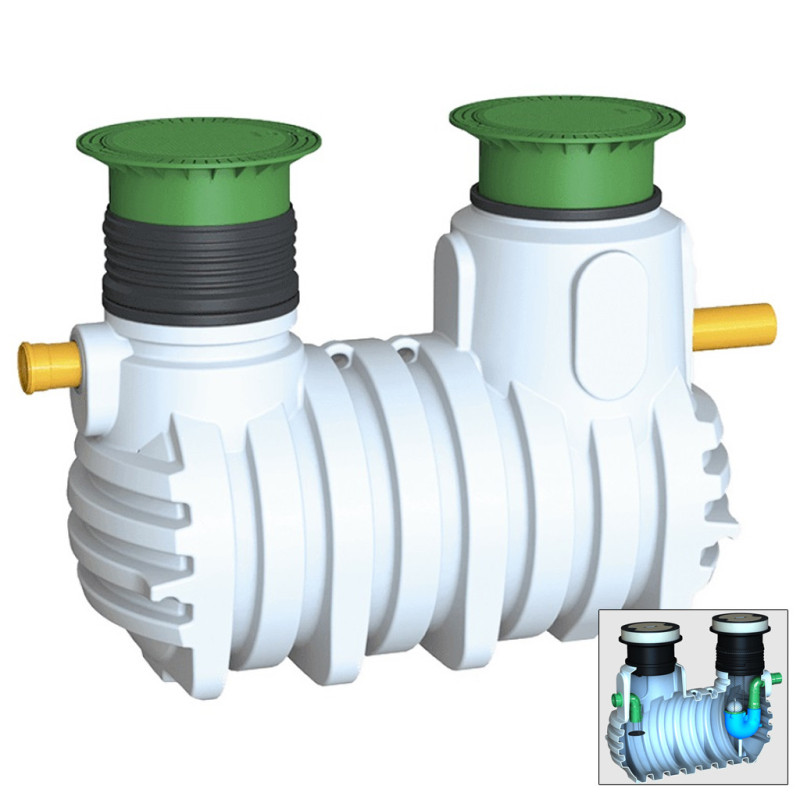
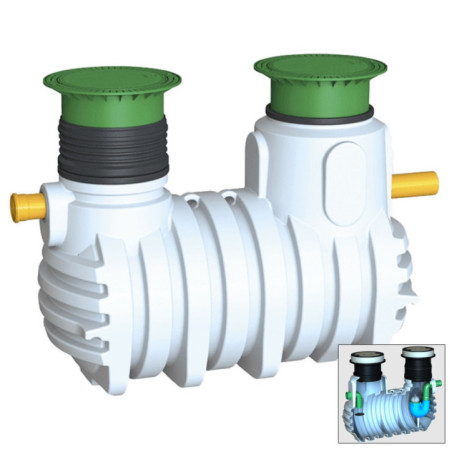
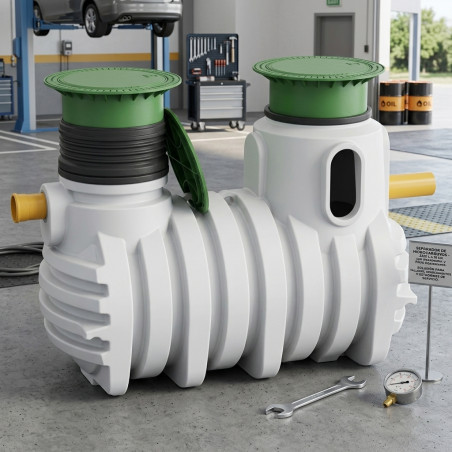
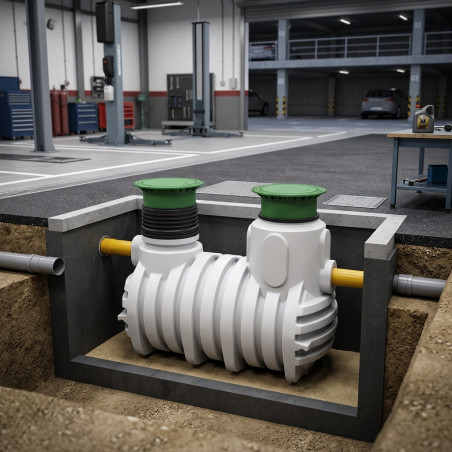
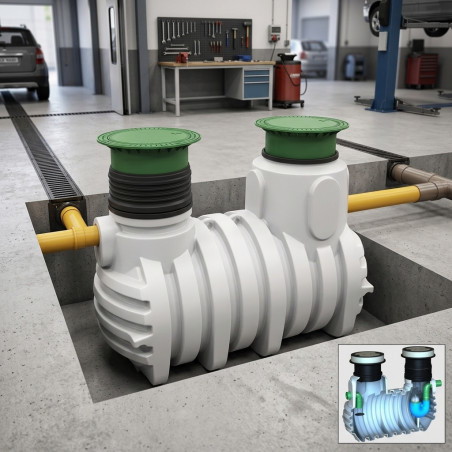
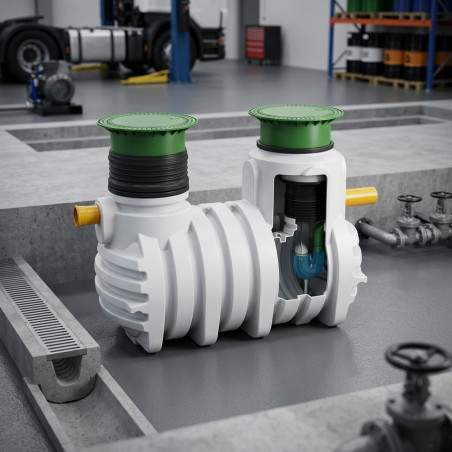

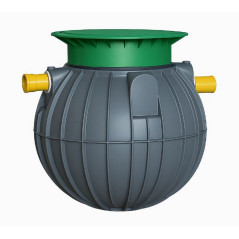
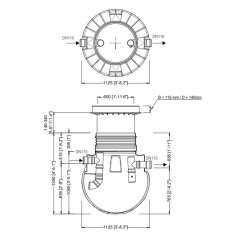
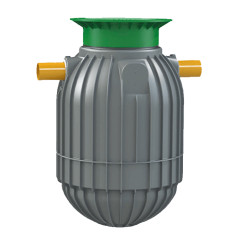
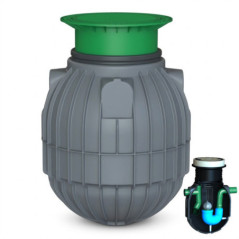
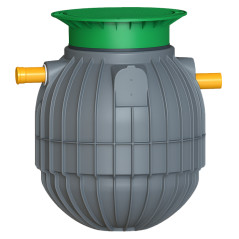
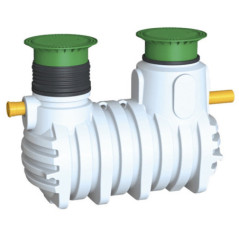
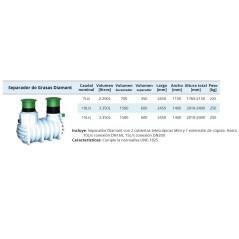
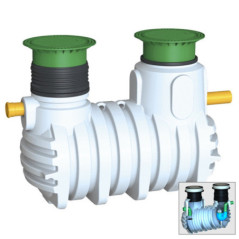
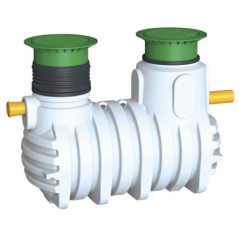
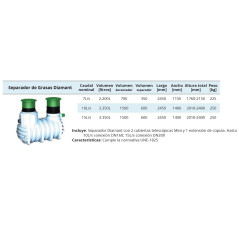
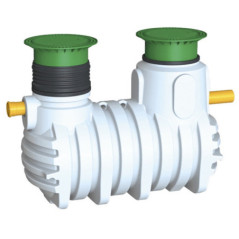
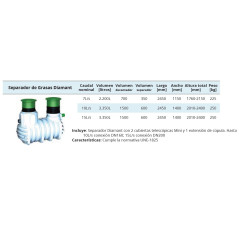
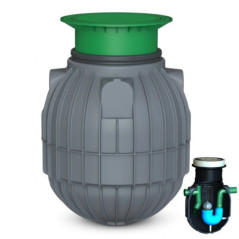
3330-liter, 15 l/s hydrocarbon separator with decanter and coalescing filter. An efficient solution for treating contaminated water in workshops, parking lots, and service stations, complying with current regulations.
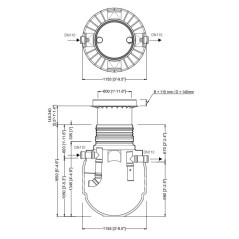
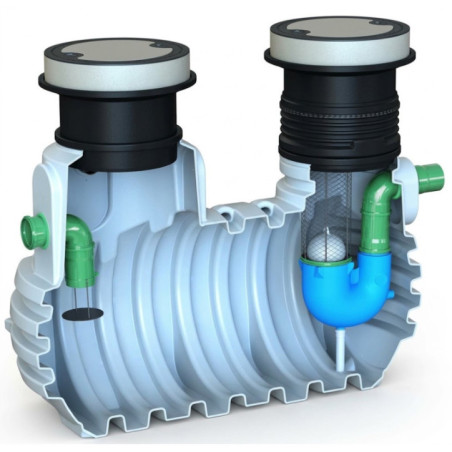
The 3330-liter, 15 l/s hydrocarbon separator with decanter and coalescing filter (Reference: GA76023) is the ultimate solution for the efficient management and treatment of wastewater contaminated with oils, greases, and free fuels. Designed to the strictest quality standards and current regulations, this equipment guarantees optimal separation of light liquids in a wide variety of industrial and commercial applications, protecting both the environment and sanitation networks.
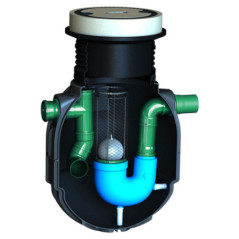
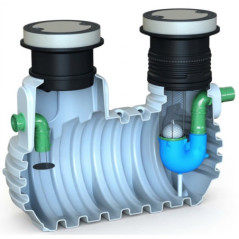
This advanced system incorporates a large-capacity settling chamber that effectively retains suspended solids and sand present in the water before it enters the main process. The flow then passes through a high-efficiency coalescing filter , which forces the small hydrocarbon droplets to coalesce into larger particles, facilitating their rapid rise to the surface and ensuring that the effluent meets the most stringent discharge limits established by law.
Manufactured with highly corrosion-resistant materials that withstand aggressive chemicals, this hydrocarbon separator guarantees a long service life with minimal maintenance requirements. Its robust structural design allows for safe and reliable installation, making it perfectly suited to projects requiring a nominal flow rate of 15 liters per second and a storage capacity of 3,330 liters, such as underground parking garages, mechanical workshops, service stations, car washes, and loading and unloading areas.
This equipment is especially suitable for service stations, vehicle repair shops, scrap yards, car washes, parking lots, industrial areas and any surface where runoff water may be contaminated with mineral oils, diesel or gasoline.
The coalescing filter works by passing water through a structured medium that forces the small, dispersed oil droplets to coalesce. As they increase in size, these droplets float much faster to the surface of the separator, where they are retained until later removal.
The frequency of maintenance depends directly on the volume of contaminants and the flow rate of treated water. However, it is recommended to perform periodic visual inspections and empty accumulated sludge and hydrocarbons at least once or twice a year, as well as inspect and clean the coalescing filter to ensure maximum efficiency.
For added safety against accidental spills, these systems often optionally incorporate an automatic shut-off valve that closes the separator outlet when the maximum hydrocarbon storage capacity is reached, thus preventing any leakage to the outside.
Data sheet
No customer reviews for the moment.
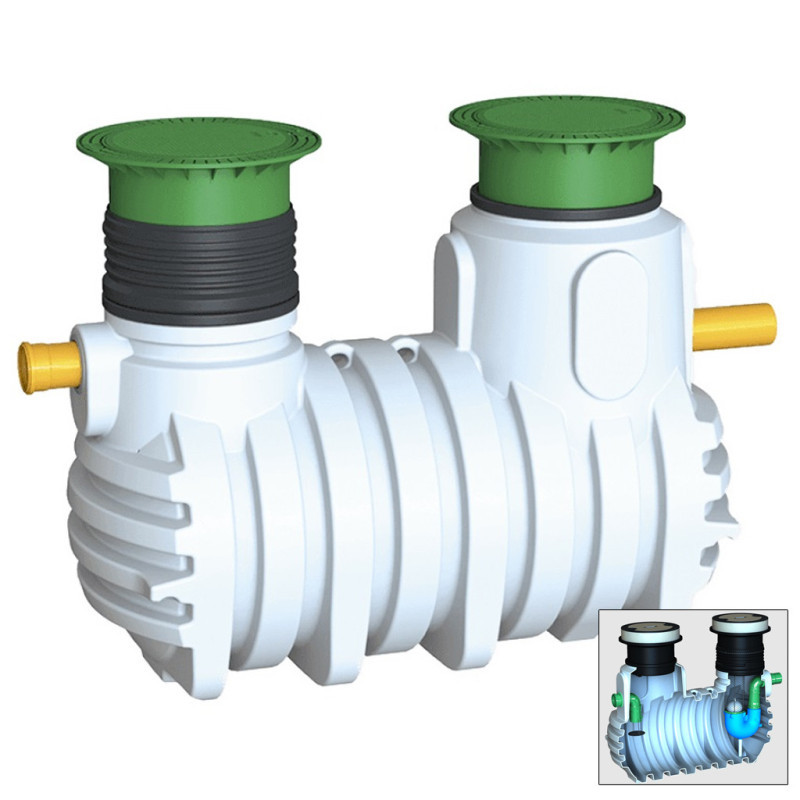
3330-liter, 15 l/s hydrocarbon separator with decanter and coalescing filter. An efficient solution for treating contaminated water in workshops, parking lots, and service stations, complying with current regulations.