- New
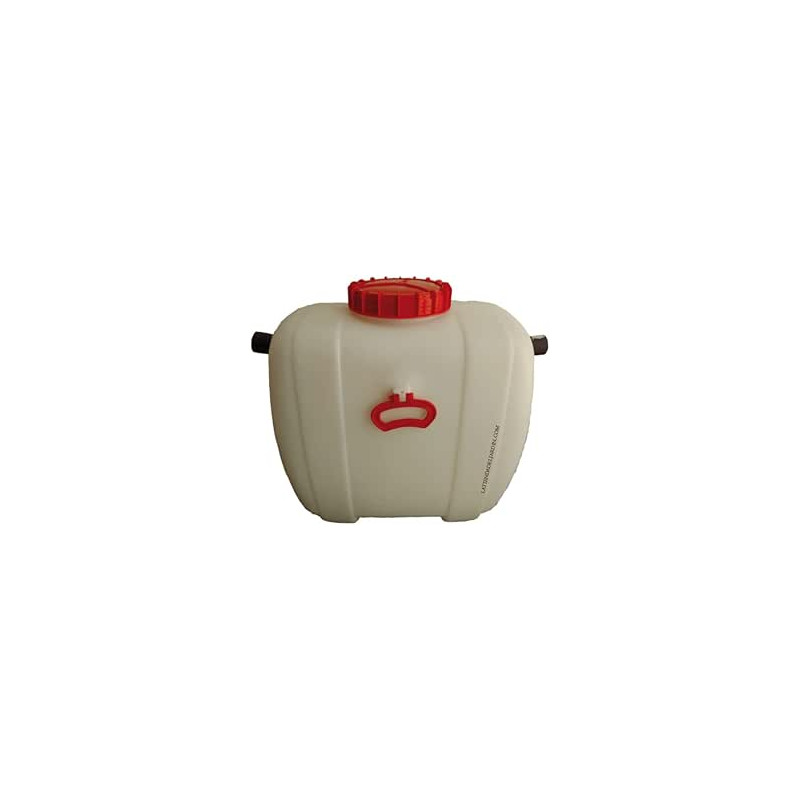
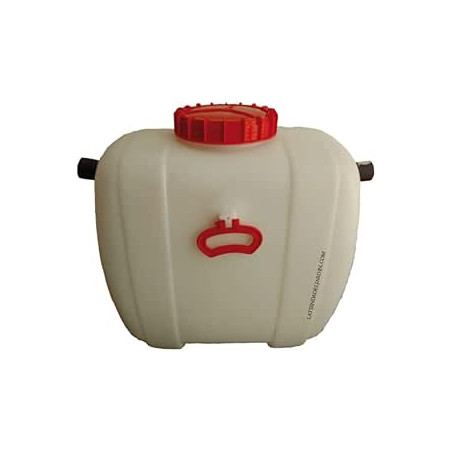
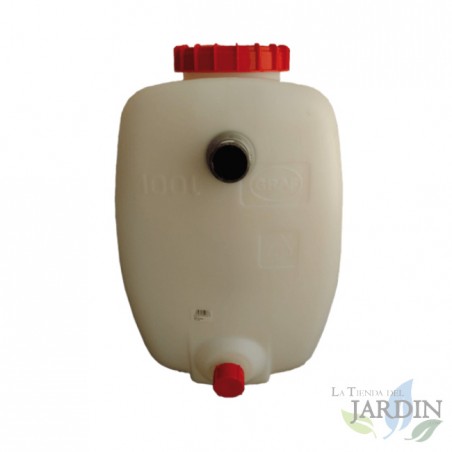
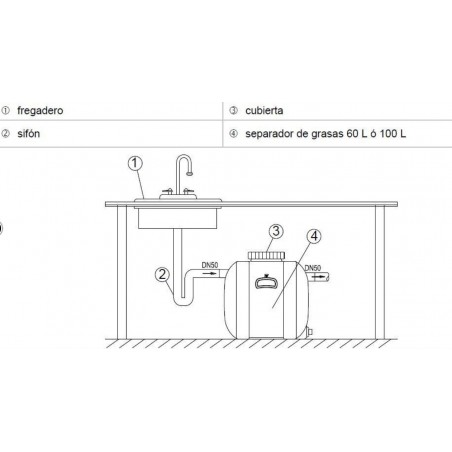
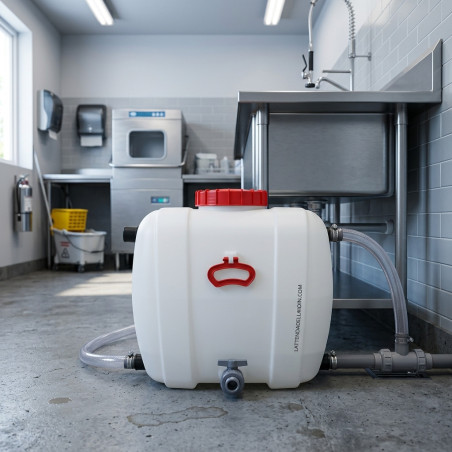
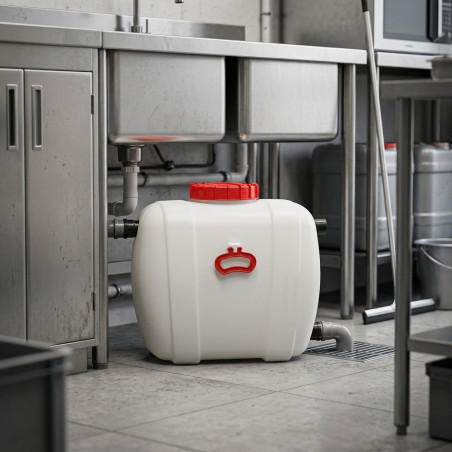
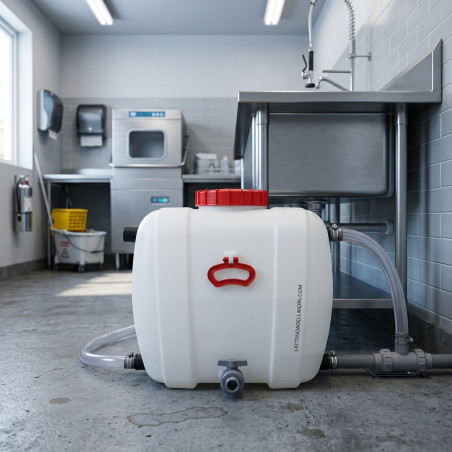
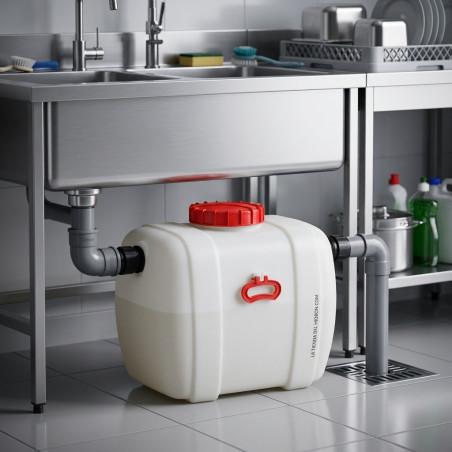

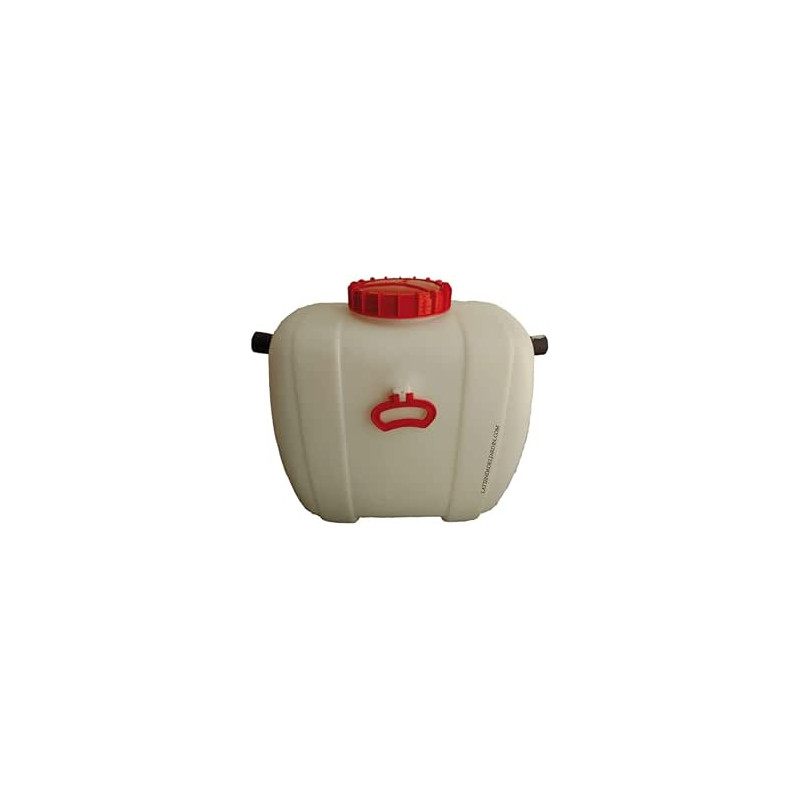
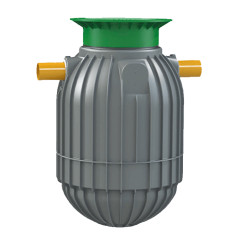
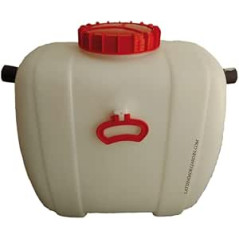
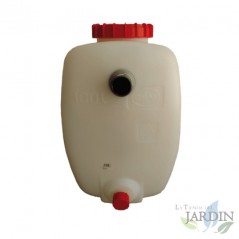
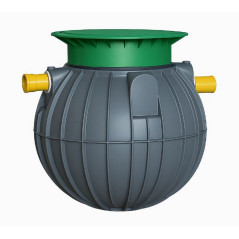
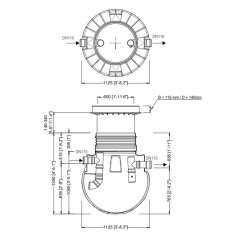
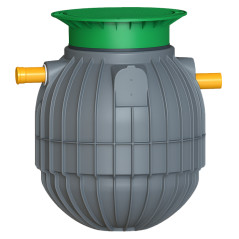
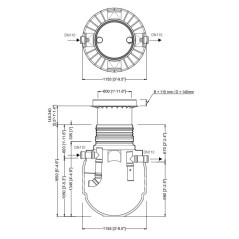
Grease separators are designed for installations where wastewater contains grease. Before being discharged into the sewer system, this wastewater should be treated separately by a grease separator. These separators consist of a settling basin, a grease collector, and a sludge collector. The system reduces the flow velocity of the wastewater, allowing solids—such as food scraps—to sink and settle in the sludge collector. Grease, being less dense than water, floats to the surface. Once the grease is separated, the wastewater flows to the sewer system. These separators feature DN50 PVC inlet/outlet connections, a wide 200mm diameter top opening, a heavy-duty tank, and a complete drain system. The nominal size of the mini grease separators is 0.6 and 0.8 L/s. Advantages: Under-sink installation. DN50 PVC inlet/outlet connections. Wide 200mm diameter top opening. Heavy-duty tank. Complete drainage system. Dimensions 60x41x61 cm. Includes tap.
How do grease and oil separators work?
The separators work by separating fats and solids from wastewater before it is discharged into the sewer system.
What are the advantages of grease separators?
Advantages include easy installation, PVC connections, a durable tank, and a complete drainage system.
What size are grease separators?
The mini separators have a nominal size of 0.6 and 0.8 L/S.
Where can grease separators be installed?
They can be installed in workshops, scrap yards, and restaurants, among other places.
What does the 100 liter grease and oil separator include?
The separator includes a tap and all the necessary connections for its installation.
Data sheet
No customer reviews for the moment.